

Retention ponds are essential tools in stormwater management, designed to control runoff, reduce flooding, and improve water quality. However, like any infrastructure, these ponds require proper care and maintenance to function effectively and last for years. Neglecting their upkeep can lead to costly repairs, environmental damage, and reduced efficiency. Here’s how to maximize the lifespan of your retention pond through proper care and maintenance.
The Importance of Retention Pond Maintenance
Retention ponds play a crucial role in collecting and storing stormwater runoff from residential, commercial, and industrial areas. They help slow water flow, trap pollutants, and protect nearby ecosystems. Without regular maintenance, sediment buildup, overgrown vegetation, and debris accumulation can compromise the pond’s efficiency, reducing its capacity to handle heavy rainfall and increasing the risk of flooding.
By prioritizing proper care, you can extend the lifespan of your retention pond, ensuring it continues to serve its purpose effectively while maintaining compliance with local regulations.
Essential Maintenance Practices for Retention Ponds
1. Sediment Removal
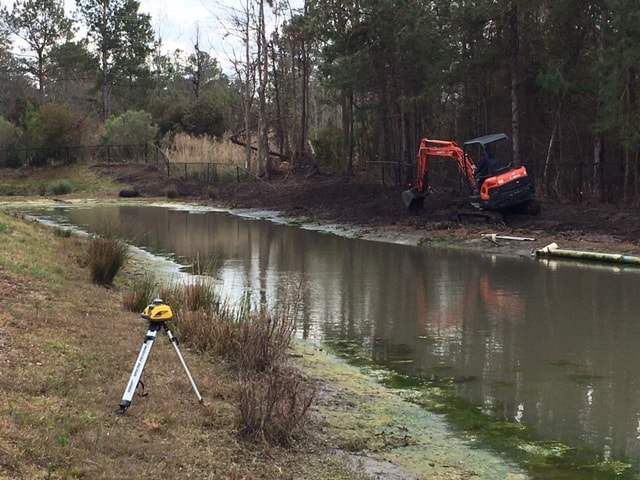
Over time, sediment accumulates at the bottom of retention ponds, reducing their water storage capacity. Periodic sediment removal ensures the pond retains its ability to manage stormwater effectively.
2. Vegetation Management
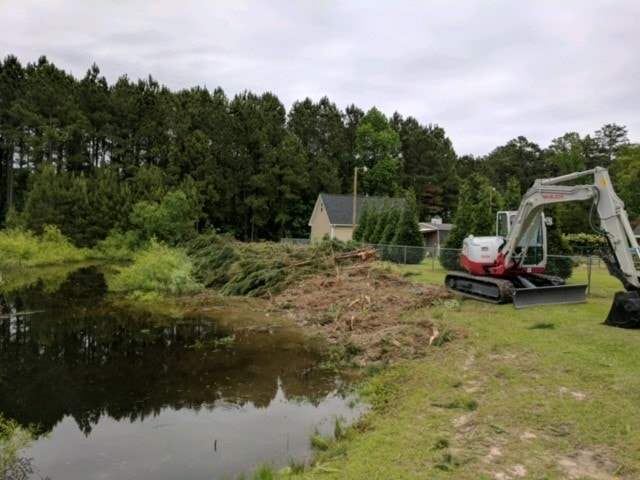
Managing plant growth around and within the pond is essential. While some vegetation is beneficial for stabilizing soil and filtering pollutants, excessive growth can block water flow, damage structures, and create maintenance challenges.
3. Debris Cleaning
Leaves, trash, and other debris can clog inlets, outlets, and other critical structures. Regular cleaning prevents blockages and ensures smooth water movement.
4. Bank Stabilization
Erosion of the pond’s banks can compromise its structural integrity and contribute to sedimentation. Stabilizing the banks with riprap, natural vegetation, or other techniques helps prevent erosion and maintains the pond’s shape.
5. Outlet Structure Maintenance
The outlet structure is vital for regulating water levels and flow. Regular inspections, cleaning, and repairs keep this component functioning properly and prevent overflow or stagnation.
Signs Your Retention Pond Needs Attention
Proper maintenance begins with recognizing when your retention pond needs care. Here are some signs to watch for:
- Reduced Water Capacity: If the pond consistently overflows during heavy rains, sediment buildup may be limiting its capacity.
- Visible Erosion: Eroded banks or shoreline areas indicate a need for stabilization efforts.
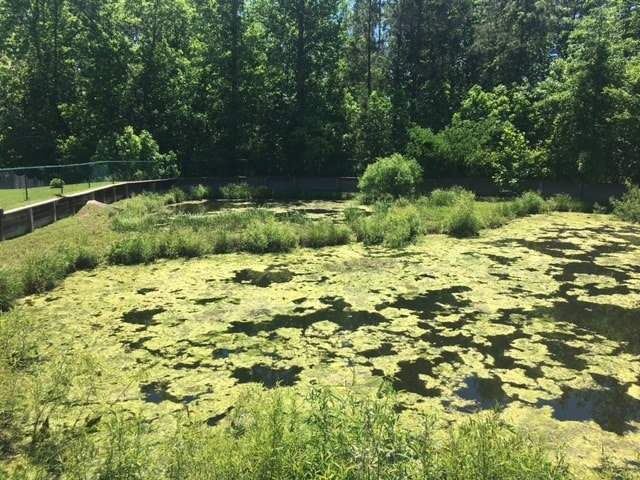
- Excessive Vegetation or Algae Growth: Overgrowth or algal blooms can signal nutrient imbalances or lack of maintenance.
- Clogged Inlets or Outlets: Blockages reduce water flow and can lead to flooding.
- Unpleasant Odors: Stagnant water may indicate poor circulation or excessive debris.
The Role of Professional Services in Pond Care
While some basic maintenance tasks can be handled by property owners, professional services are often necessary to address complex issues. Experts have the tools and knowledge to provide:
- Comprehensive Inspections: Identifying hidden problems like leaks, structural damage, or advanced sedimentation.
- Specialized Cleaning and Repairs: Restoring the pond’s capacity and efficiency.
- Regulatory Compliance: Ensuring your retention pond meets local and federal stormwater management requirements.
Long-Term Benefits of Proper Retention Pond Care
Investing in regular maintenance and proper care offers numerous benefits:
- Enhanced Flood Protection: A well-maintained retention pond effectively manages stormwater runoff, reducing the risk of flooding.
- Improved Water Quality: Regular cleaning and sediment removal filter pollutants, keeping water sources clean and safe.
- Cost Savings: Preventive maintenance minimizes the need for costly repairs or system replacements.
- Environmental Protection: Healthy retention ponds support local ecosystems by providing clean water and a stable habitat for plants and animals.
- Aesthetic Appeal: Well-kept ponds enhance the beauty of residential and commercial properties.
How to Start Caring for Your Retention Pond
If you’re unsure where to start, consider these steps:
- Schedule Regular Inspections: Frequent inspections can catch potential problems early.
- Develop a Maintenance Plan: Create a schedule for sediment removal, vegetation management, and debris cleaning.
- Partner with Professionals: Work with stormwater management experts to ensure comprehensive care.
Conclusion
Proper care is essential to maximizing the lifespan of your retention pond. By prioritizing maintenance, addressing issues promptly, and seeking professional support when needed, you can ensure your pond continues to perform its vital role in stormwater management.
For expert retention pond services, trust Stormwater Solutions Group, LLC. Our team specializes in comprehensive pond care to keep your system functional, efficient, and environmentally friendly. Contact us today to learn more about our services and how we can help protect your property.